
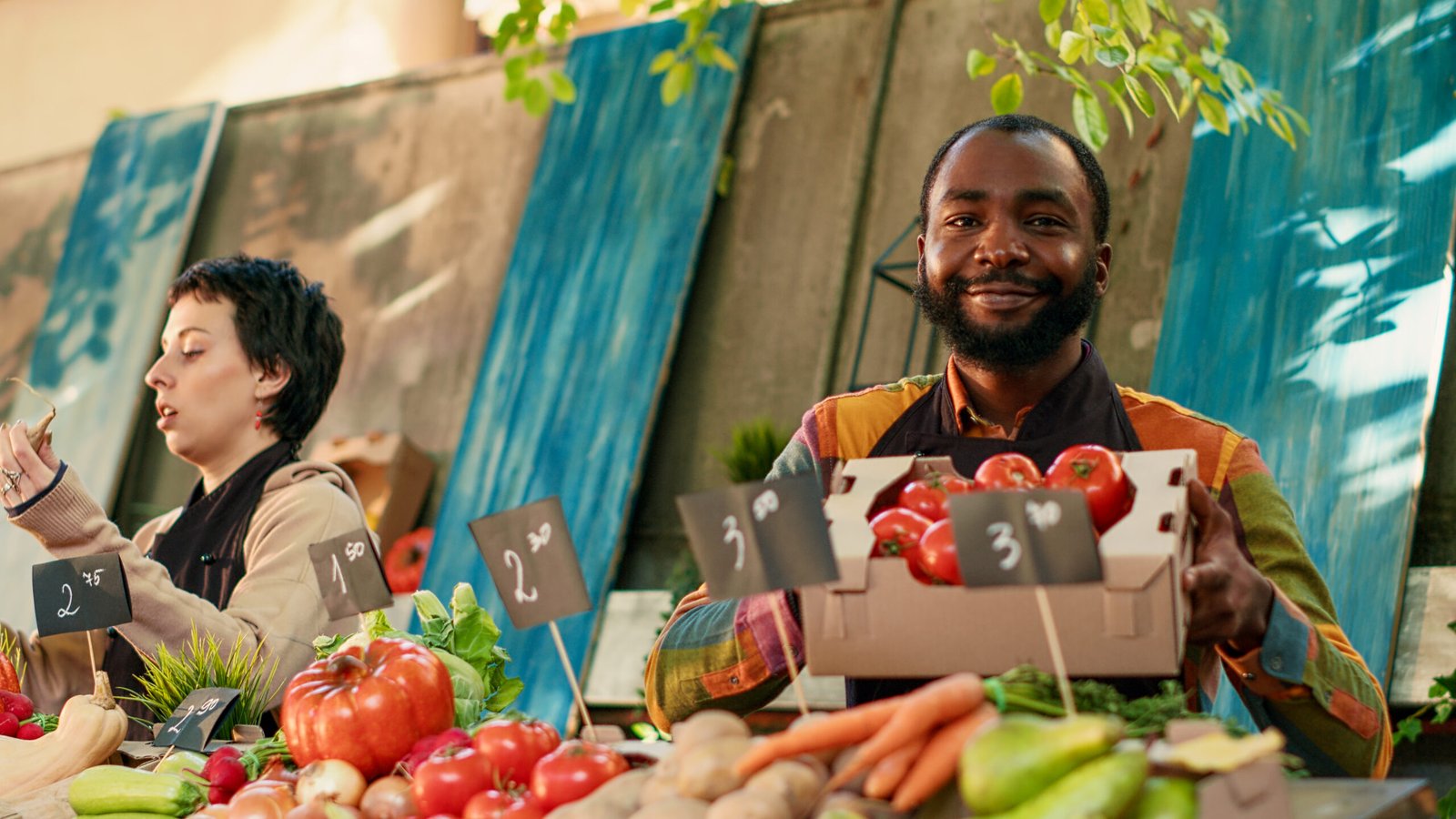
Commercial Rice Farming Opportunities in Liberia Liberia has enormous agricultural potential, yet the country still imports a significant portion of its food requirements every year. Essential commodities such as rice, processed foods, poultry products, vegetables, and packaged agricultural goods are heavily dependent on imports, placing pressure on the national economy and increasing food security risks. At the same time, Liberia possesses vast fertile land, abundant rainfall, favorable climate conditions, and a large agricultural workforce. These advantages position the country to significantly reduce food imports through strategic investment in local agriculture, agro-processing, mechanized farming, and modern supply chain infrastructure. As global food prices continue to fluctuate and international supply chains become increasingly uncertain, strengthening local agricultural production has become both an economic necessity and a national priority for Liberia. Liberia’s Dependence on Food Imports Food imports currently represent a major challenge for Liberia’s economy. Large volumes of staple foods are imported annually to meet growing domestic demand, particularly in urban areas. Some of the major imported food categories include: Rice Poultry products Processed foods Cooking oil Vegetables Dairy products Packaged food items This dependency creates several economic challenges: Increased foreign currency outflow Rising food prices Vulnerability to global supply chain disruptions Pressure on national trade balance Reduced opportunities for local farmers Reducing import dependency through local production can help strengthen Liberia’s economy while creating employment and supporting rural development. The Untapped Potential of Liberia’s Agriculture Sector Liberia is naturally suited for large-scale agricultural production. The country benefits from: Vast areas of fertile land High annual rainfall Multiple growing seasons Rich soil conditions Access to water resources Favorable tropical climate These conditions support the cultivation of: Rice Cassava Maize Palm oil Cocoa Coffee Fruits and vegetables Livestock and poultry Despite these advantages, large portions of agricultural land remain underutilized, creating substantial opportunities for expansion of domestic food production. Increasing Rice Production for Food Security Rice is Liberia’s staple food and one of the country’s largest imported commodities. Reducing rice imports represents one of the biggest opportunities for strengthening food security and lowering import costs. The government has already introduced initiatives aimed at increasing local rice production through: Mechanized farming Irrigation systems Farmer support programs Agricultural equipment distribution Expansion of lowland rice cultivation Further investment in: Commercial rice farms Rice milling facilities Storage warehouses Agricultural logistics Seed development can significantly increase local rice production and reduce dependency on imported rice over time. Strengthening Agro-Processing Industries One of the key reasons for food imports is the limited availability of local agro-processing facilities. Many agricultural products are exported raw or sold unprocessed, while processed food products are imported back into the country at higher prices. Developing local agro-processing industries can help Liberia: Add value to agricultural products Create jobs Increase farmer income Reduce processed food imports Strengthen local supply chains Major agro-processing opportunities include: Cassava flour production Palm oil refining Food packaging Fruit processing Poultry feed manufacturing Dairy processing Vegetable preservation and cold storage Building modern agro-processing infrastructure can transform Liberia from a raw commodity economy into a value-added agricultural economy. Supporting Small Farmers & Commercial Agriculture Smallholder farmers remain the backbone of Liberia’s agriculture sector. Supporting these farmers while encouraging commercial agriculture can significantly improve domestic food production. Key areas of support include: Access to quality seeds Fertilizers and farming inputs Mechanization services Agricultural financing Training and extension services Market access At the same time, encouraging large-scale commercial farming can help increase productivity, improve efficiency, and stabilize food supply for urban markets. A balanced approach that combines smallholder development with commercial investment can accelerate agricultural growth across the country. Improving Agricultural Infrastructure Infrastructure development is essential for reducing food imports and improving local agricultural competitiveness. Important infrastructure investments include: Rural roads Irrigation systems Cold storage facilities Warehouses Transportation networks Agricultural processing zones Market distribution centers Poor infrastructure often leads to: High transportation costs Post-harvest losses Food spoilage Reduced farmer profitability Improving agricultural infrastructure can strengthen local supply chains and reduce dependence on imported food products. Encouraging Private Sector & Foreign Investment Liberia has the opportunity to attract both local and foreign investors into agriculture and food production. The government is already supporting investment through: Tax incentives Import duty exemptions Land lease opportunities Investment facilitation programs Private sector investment can help develop: Commercial farming Agro-processing plants Agricultural logistics Storage systems Food manufacturing industries International partnerships and public-private collaborations can accelerate Liberia’s agricultural modernization efforts. Job Creation & Economic Growth Reducing food imports through local agriculture can generate major economic benefits for Liberia. Benefits include: Employment creation Rural development Increased farmer income Improved food security Reduced foreign currency outflow Growth in local industries Expansion of export opportunities Agriculture has the potential to become one of Liberia’s strongest drivers of long-term economic growth and social development. Building a Sustainable Food System Developing local agriculture is not only about reducing imports — it is also about building a more sustainable and resilient national food system. Liberia can strengthen long-term food security by investing in: Climate-resilient farming Sustainable agriculture Seed development Water management Modern farming technologies Agricultural education As global food supply chains become increasingly uncertain, countries with strong domestic agricultural production will be better positioned for long-term economic stability.
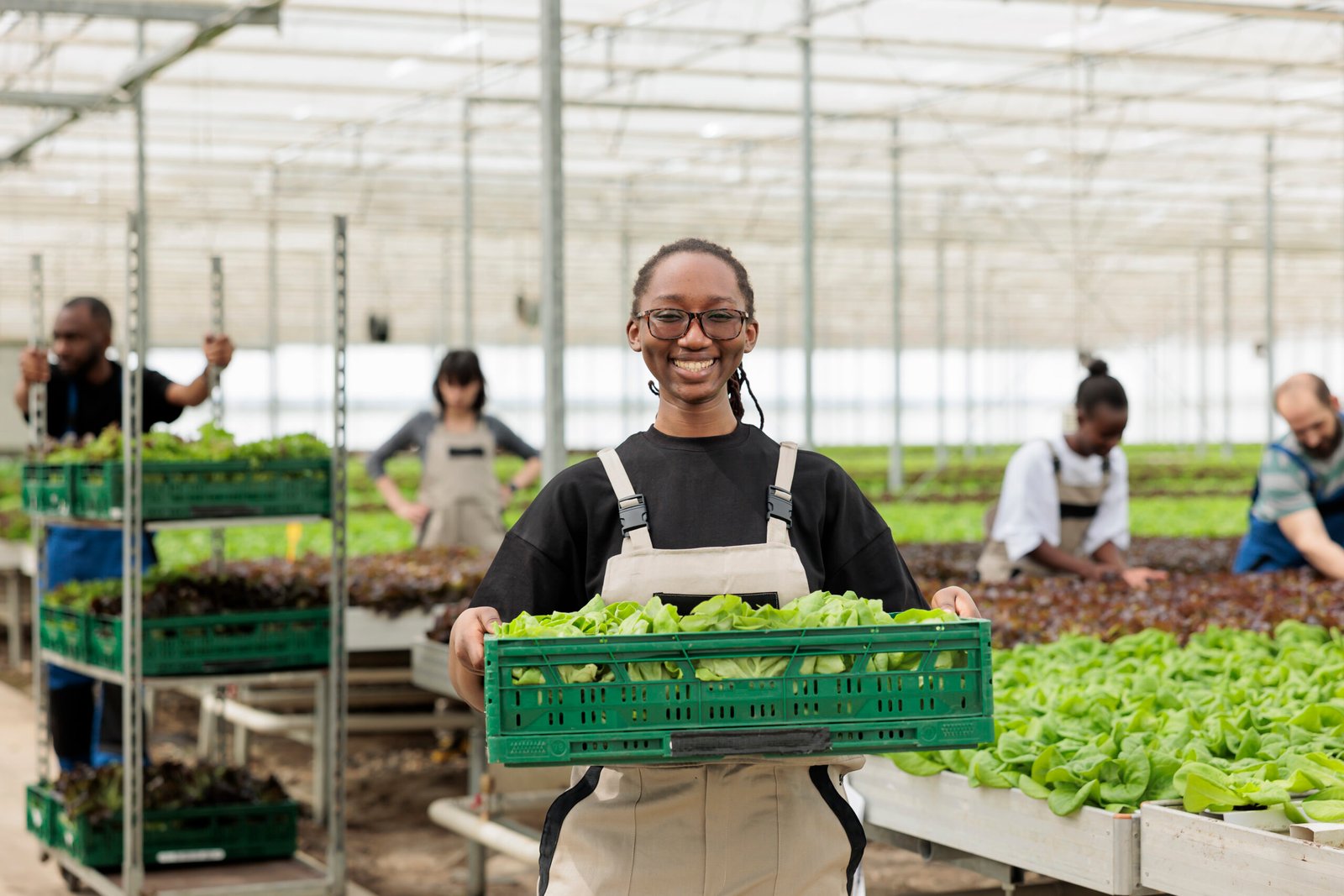
Why Liberia is Emerging as West Africa’s Next Agricultural Investment Hub
A Lawyers Newest Resolution Legal productivity is being slammed by a toxic work culture according to a recent survey from across the pond. This may come as no surprise to legal workers here in the United States, as the relentless pressure of law practice often creates a toxic culture in law departments. In many cases, this comes from the management level with toxic bosses and “pie-duckers” rampant in some companies. What can be done? Ref0rm is needed, but the legal profession is not known for embracing change, and when it does, it often comes glacially rather than when needed to ameliorate the real problems at hand.

Legal Productivity Slammed By Toxic Work Culture
According to 250 In-House Attorneys, This is a Must Have Legal productivity is being slammed by a toxic work culture according to a recent survey from across the pond. This may come as no surprise to legal workers here in the United States, as the relentless pressure of law practice often creates a toxic culture in law departments. In many cases, this comes from the management level with toxic bosses and “pie-duckers” rampant in some companies. What can be done? Ref0rm is needed, but the legal profession is not known for embracing change, and when it does, it often comes glacially rather than when needed to ameliorate the real problems at hand.